

A reference archive
The Jaguar E-Type, written down properly
What the car is, how to tell the series apart, how many were built, how the engine works, and what it takes to keep one on the road. Free to read, with no advertising and nothing for sale.
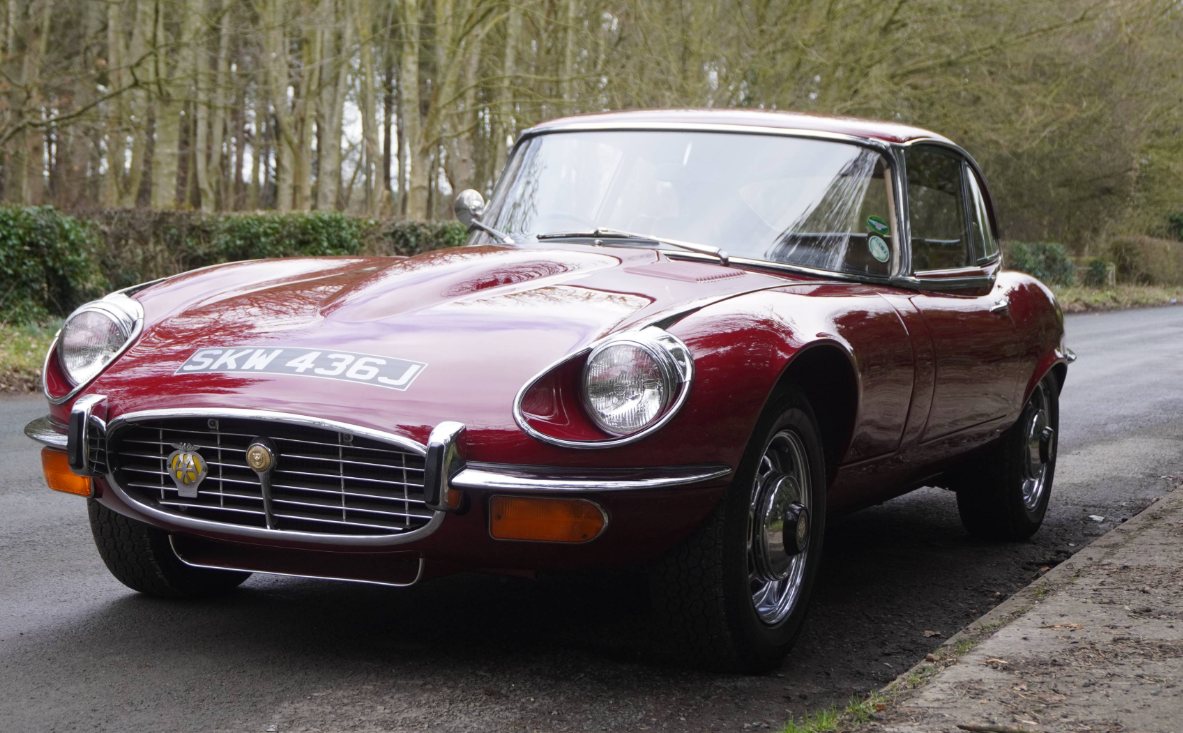
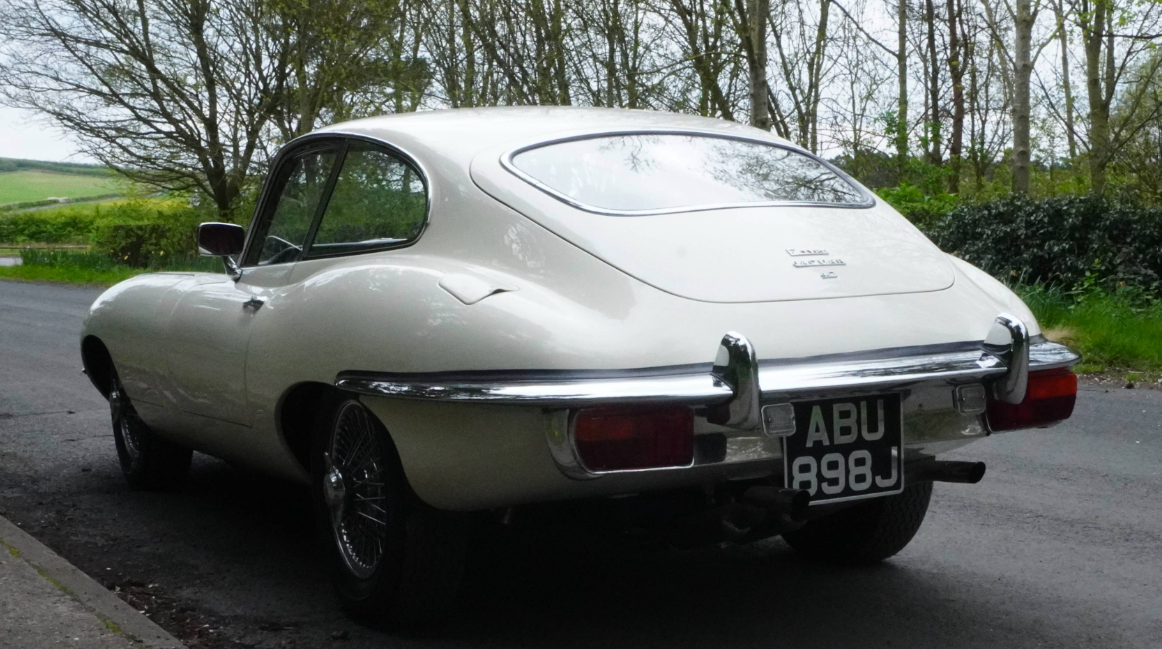
Series 1 fixed-head coupe. The long bonnet, covered headlights and wire wheels are characteristic of the earliest cars.
This is an independent archive about the Jaguar E-Type, written and maintained by Jon Cosson, who owns a Series 1. It exists because the reliable answers turned out to be harder to find than they should be.
Much of what is genuinely known about these cars sits in forum threads, in club archives, and inside the editorial pages of firms whose real business is selling cars. This site tries to answer the question instead of selling you something.
It is written for owners and would-be owners: anyone trying to identify a car, understand how it works, or decide what a tired example needs next.
Free, and honest about its sources
The archive is free to read. It carries no advertising, no affiliate links and no sponsored content, and nothing on it is for sale.
Where a figure comes from a published source, that source is named in the text. Where sources disagree, the disagreement is set out rather than resolved by picking a favourite. Where something cannot be verified, the archive says so and points you at the people who hold the real answer. The standard aimed for throughout is that of a good workshop manual: specific, sourced, and honest about uncertainty.
What this archive covers
The subject is ownership: identification, the engineering, what goes wrong, and what keeping one on the road actually involves. The depth is on the six-cylinder cars: Series 1, the interim cars usually called Series 1.5, and Series 2. Series 3 and the V12 appear factually where they belong in the story, without being built out. The roadster, the fixed-head coupe and the 2+2 are covered within each page rather than separately.
What this archive deliberately does not cover
There is nothing here about cars for sale, asking prices, what an E-Type is worth, market values, auction results or investment advice, and nothing about restomod or continuation builders. That ground is already held, thoroughly, by commercial sites whose pages rank first for those questions, and this archive concedes it on purpose. If you want to know what a particular car is worth, a specialist restorer, a marque valuer or an insurer with classic experience will serve you far better than a reference page could.
Recently updated
Selling an E-Type
A new page on selling an E-Type: the routes to market, what the Heritage Certificate and the numbers can and cannot show, describing the series, steering side and changes honestly, the British paperwork and the law, payment scams, and a short section on selling in the United States. It quotes no prices.
Winter storage and lay-up: new section on mice, rats and a stored car.
Winter storage and lay-up: new section on mice, rats and a stored car.
Added links to the companion XK140 and Mk2 archives
Jaguar Cars Compared now links to the Jaguar XK140 Archive and the Jaguar Mk2 Archive, and notes that the XK140 Archive publishes its own XK production totals, separating chassis numbers allocated from cars built.
Jaguar Cars Compared: added Series 1½ and Series 2 prices and road tests
The two E-Type rows that carried no road test or price now do: a Modern Motor test of a Series 2 coupe from March 1971, American tests of US-specification Series 2 cars from 1969, and prices for the Series 1½ and the Series 2 2+2 from the 1968 and 1969 Motor Show guides. A note records which of those figures best represents a British car.